_PNG.png)
Why Understanding Water Pressure is Essential for Your Home's Plumbing System
Water pressure plays a crucial role in the performance and longevity of your home's plumbing system. At To The T Plumbing, we often encounter homeowners in Westminster, Brighton, Thornton, and nearby Colorado communities who overlook how vital proper water pressure is. Whether the pressure is too low or too high, it can cause a range of problems that affect your fixtures, appliances, and pipes. In this post, we’ll explore what causes water pressure issues, how they impact your plumbing, and when it’s time to call in a professional plumber in Brighton to diagnose and fix the problem.
What Causes Low Water Pressure in Your Home?
Low water pressure can be frustrating and inconvenient. You might notice weak showers, slow-filling sinks, or appliances that don’t work properly. Several factors can cause this issue:
Clogged or corroded pipes: Over time, mineral buildup or rust can narrow pipes, restricting water flow.
Leaks in the plumbing system: Even small leaks reduce pressure by allowing water to escape before reaching fixtures.
Faulty pressure regulator: Many homes have a pressure regulator that controls incoming water pressure. If it malfunctions, pressure can drop.
Municipal supply issues: Sometimes, the problem originates from the city’s water supply, especially during peak usage hours.
Shared water lines: If your home shares a water line with neighbors, pressure can drop when multiple households use water simultaneously.
When you experience low pressure, check if it affects all fixtures or just one. If it’s widespread, the cause is likely in the main supply or pipes. If it’s isolated, the problem might be a clogged aerator or valve.
What Causes High Water Pressure and Why It’s a Problem
High water pressure might seem like a good thing, but it can damage your plumbing system over time. Common causes include:
Pressure regulator failure: If the regulator fails, pressure can rise above safe levels.
Municipal supply pressure too high: Some city water systems deliver water at pressures exceeding what home plumbing is designed to handle.
Thermal expansion: When water heats up in your water heater, it expands and can increase pressure if there’s no expansion tank.
High pressure puts stress on pipes, joints, and fixtures, leading to leaks, bursts, or premature wear. It can also cause noisy pipes and damage appliances like dishwashers and washing machines.
How Water Pressure Affects Plumbing Fixtures and Appliances
Water pressure directly influences how well your fixtures and appliances perform:
Showers and faucets: Low pressure results in weak water flow, while high pressure can cause splashing or damage to valves.
Toilets: Low pressure may cause incomplete flushing, leading to clogs.
Dishwashers and washing machines: These appliances rely on proper pressure to fill correctly and operate efficiently. Pressure that’s too low or too high can reduce their lifespan.
Water heaters: High pressure can cause leaks or damage to the tank, while low pressure might reduce hot water availability.
Maintaining balanced water pressure ensures your fixtures work smoothly and last longer.
Impact of Water Pressure on Pipe Lifespan and System Performance
Both low and high water pressure affect your plumbing pipes:
Low pressure can cause sediment to settle inside pipes, leading to blockages and corrosion.
High pressure increases the risk of pipe bursts and joint failures.
Consistent pressure within the recommended range (usually 40 to 60 psi) helps prevent these issues. When pressure fluctuates or stays outside this range, your entire plumbing system faces unnecessary wear and tear.
Warning Signs That Indicate Water Pressure Problems
Keep an eye out for these common signs that suggest water pressure issues:
Weak or inconsistent water flow from faucets and showers
Water hammer noises (loud banging sounds in pipes)
Frequent leaks or dripping faucets
Slow-filling appliances or toilets that don’t flush properly
Visible water damage or damp spots near pipes
If you notice any of these, it’s a good idea to have a professional plumber inspect your system.
Maintenance Tips to Keep Water Pressure in Check
You can take simple steps to maintain proper water pressure and avoid costly repairs:
Regularly clean faucet aerators and showerheads to remove mineral buildup.
Check for leaks around your home and repair them promptly.
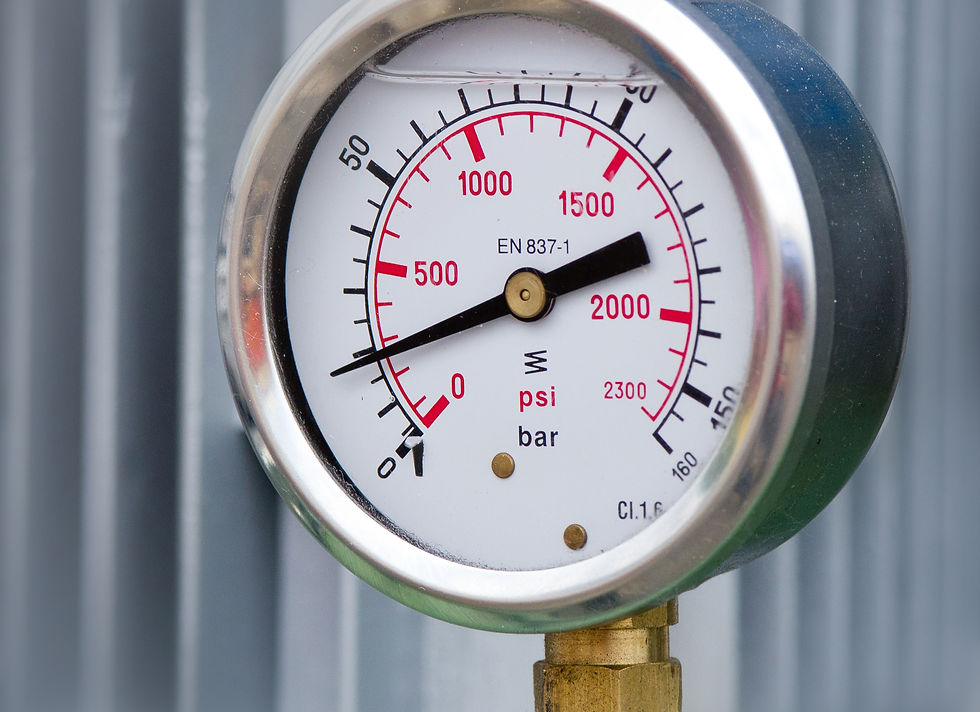
Test your water pressure with a gauge, available at hardware stores.
Install or maintain a pressure regulator if your home doesn’t have one.
Flush your water heater annually to remove sediment buildup.
Routine maintenance helps keep your plumbing system running smoothly and extends its lifespan.
When to Call a Professional Plumber in Brighton
Some water pressure issues require professional diagnostics and repair. Contact To The T Plumbing if you experience:
Persistent low or high water pressure despite basic troubleshooting
Sudden changes in pressure or water flow
Signs of leaks or water damage
Noisy pipes or water hammer sounds
Problems with your pressure regulator or water heater
Our team has the tools and expertise to accurately diagnose pressure problems and recommend the best solutions. We serve homeowners in Westminster, Brighton, Thornton, and surrounding Colorado areas, providing reliable plumbing, heating, HVAC, and air duct cleaning services.
Water pressure affects every part of your home’s plumbing system. Ignoring it can lead to poor performance, damage, and costly repairs. By understanding the causes and effects of water pressure problems, you can protect your fixtures, appliances, and pipes. When in doubt, trust To The T Plumbing to keep your water pressure balanced and your plumbing system in top shape. Contact us today for expert help with all your plumbing needs.


